Thousands Across Missouri and Illinois Lost Power After Overnight Storms, With Wind Damage Reported Regionwide
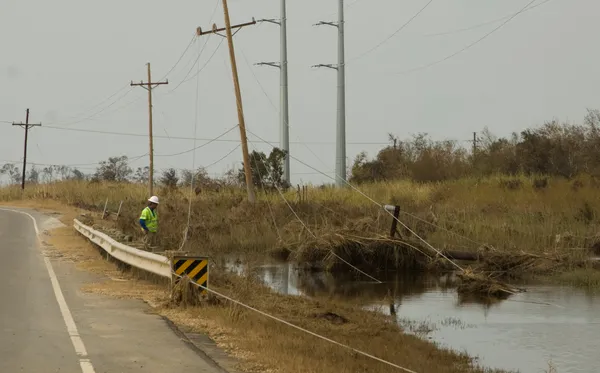
Storm-driven outages spread across the bi-state area
Thousands of customers across Missouri and Illinois were without electricity Wednesday morning, March 11, after overnight storms pushed through the region and left pockets of wind damage and downed lines. Utility outage mapping showed widespread service interruptions, while local reports described trees and limbs brought down by strong gusts.
In the Metro East, a peak wind gust of 67 mph was reported at St. Louis Regional Airport in East Alton during the storm period, a level capable of breaking limbs, shifting unsecured objects and damaging overhead distribution equipment. The outages were concentrated in multiple clusters rather than a single corridor, consistent with thunderstorm wind impacts that can vary sharply from one neighborhood to the next.
What residents can expect during restoration
Utilities typically restore service in a sequence designed to return power to the most customers in the shortest time. That approach generally starts with transmission and substation issues, then focuses on main distribution feeders, and finally moves to smaller neighborhood lines and individual service connections. When storms bring down trees and debris, restoration can slow because crews must first secure work zones and clear hazards before repairs can begin.
- Repairs affecting large feeder lines usually restore service to the highest number of customers first.
- Tree removal and debris clearance can be a limiting factor when lines are entangled or blocked.
- Some outages persist longer when damage is localized to secondary lines or individual service drops.
Why wind-related storms often cause broad, uneven outages
Even when storms do not produce tornadoes, straight-line winds can knock down branches and poles and can also cause lines to slap together or protective devices to trip. The result is often a patchwork: one block may have full service while the next block is dark. Airports and weather stations provide key measurements, but wind speeds can be higher in brief bursts away from the instruments, especially in stronger thunderstorm cores.
Power outage tracking for the region updates frequently, meaning reported totals can change quickly as crews restore service and new damage assessments come in.
Safety and preparedness amid outages
Emergency managers and utilities routinely advise residents to treat downed lines as energized, avoid driving through areas with debris in the roadway, and use generators only outdoors and away from doors or windows. With severe weather season approaching its peak in the St. Louis region, the latest round of outages underscores how quickly fast-moving storms can disrupt basic services across both states.
As restoration continues, customers are typically encouraged to report outages and hazardous conditions directly through official utility channels to help prioritize repairs and identify damage that may not be visible from main roads.