Supreme Court invalidates emergency-law tariffs, prompting St. Louis importers and manufacturers to assess refunds and costs
What the Supreme Court decided and why it matters to businesses
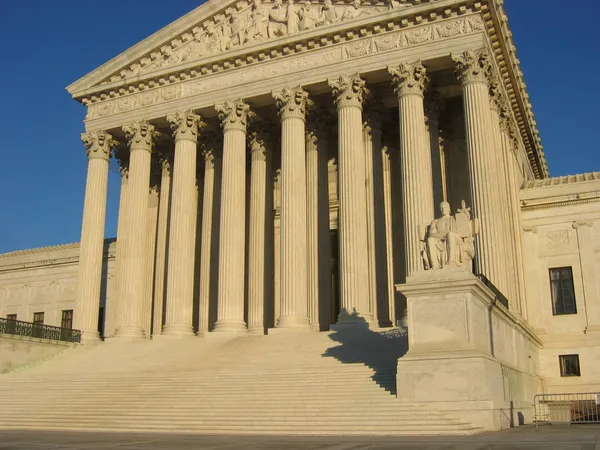
The U.S. Supreme Court on Feb. 20, 2026, ruled 6–3 that the International Emergency Economic Powers Act (IEEPA) does not authorize a president to impose tariffs. The decision narrows the executive branch’s ability to use emergency powers to set broad-based trade levies and shifts immediate attention to what happens next for companies that paid those duties.
The ruling arose from consolidated challenges brought by small businesses and a separate suit joined by a group of states, after lower courts found the tariffs exceeded statutory authority. The Supreme Court’s decision focused on the legal question of whether IEEPA’s power to “regulate” importation includes the power to impose revenue-raising duties; the Court held it does not.
Refunds are possible, but not automatic
The decision does not, by itself, deliver checks to importers. Any potential recovery depends on how tariff entries were processed and whether companies preserved their ability to contest payments through established customs procedures and litigation timelines. Importers that took steps to protect claims—such as timely protests or related filings—may be in a stronger position than firms that treated the levies as a final cost of doing business.
Budget-modeling and trade law analyses published after the ruling have projected a large potential refund pool nationwide, reflecting the scale of duties collected under the emergency-law tariff program. However, the ultimate amount that could be repaid will depend on how agencies administer the ruling, how courts handle individual claims, and whether new legislation or alternative tariff authorities change the landscape.
How St. Louis-area firms are evaluating the impact
For St. Louis-region companies that import inputs—ranging from industrial components to packaging, machinery parts, or consumer goods—the ruling introduces a possible short-term financial upside: the chance to recover previously paid duties. At the same time, it adds near-term complexity for finance teams trying to determine whether tariff-related costs should be treated as recoverable assets, operating expenses, or contingent claims.
Manufacturers and distributors also face strategic questions about pricing. If tariff costs had been passed through to customers, any refund could create accounting and contracting complications, especially where pricing is governed by long-term agreements, public bids, or customer-specific surcharge clauses.
Key questions now facing companies
- Whether tariff collection stops immediately for the affected categories, or changes only after federal guidance and system updates.
- Which entries remain eligible for administrative protest or court-directed reliquidation, and which have become final.
- How quickly claims could be processed given volume and the need for documentation.
- Whether replacement tariffs are imposed under other statutes, potentially offsetting cost relief.
With the emergency-law pathway curtailed, companies are now balancing two timelines at once: preserving potential refunds for past payments while preparing for possible changes to future tariff authority.
For St. Louis firms, the ruling is less an endpoint than a pivot point—one that elevates customs compliance, documentation, and legal deadlines into core business considerations alongside sourcing, inventory planning, and pricing strategy.