St. Louis starts demolition of more than 250 tornado-damaged buildings along the Kingshighway corridor
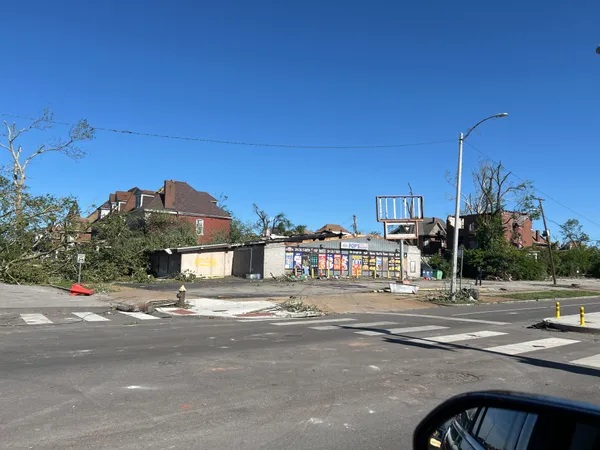
Demolition phase targets unsafe structures after May 2025 EF3 tornado cut through North St. Louis
St. Louis has begun tearing down more than 250 buildings damaged in the May 16, 2025 tornado, a milestone in the city’s long-running recovery effort along and near the Kingshighway corridor. The tornado, rated EF3 in post-storm assessments, carved a path from St. Louis County into the city and across the Mississippi River, damaging thousands of structures citywide and leaving a patchwork of partially collapsed homes, commercial buildings and long-vacant properties in multiple North Side neighborhoods.
The current wave of demolitions is focused on buildings deemed unsafe to occupy or at risk of collapsing into adjacent homes, sidewalks and roadways. City recovery plans have emphasized removing immediate hazards first, then shifting toward stabilization and rebuilding where repairs are feasible. In practice, that means demolition decisions often turn on structural condition, proximity to occupied buildings, and whether damage made a structure irreparable under code requirements.
How buildings are selected for teardown
In the weeks after the tornado, inspection teams conducted rapid assessments and posted color-coded placards to indicate whether a structure appeared safe, restricted, or unsafe. Those early tags helped guide short-term safety actions, but demolition eligibility has typically required additional review, including condemnation determinations, engineering considerations, and property status checks.
- Public safety risk: Buildings with failed roofs, compromised walls, or partial collapse that threaten nearby occupied structures or the public right-of-way.
- Ownership and access: Privately owned properties often require coordination with owners, insurance documentation, and verification of eligibility under assistance programs.
- Pre-tornado condition: Some damaged buildings were already vacant or previously condemned, complicating recovery choices and neighborhood planning.
Funding and coordination challenges continue into 2026
City and partner agencies have relied on a mix of local, state and federal resources to move debris, secure properties and remove structures. Demolition work has been closely tied to funding availability, contracting capacity, and the administrative requirements that govern how public money can be used on private property. Separately, the Land Reutilization Authority (LRA), which holds many vacant properties, has identified hundreds of LRA-controlled buildings within the tornado’s footprint, with demolition funding also being applied to that inventory.
What comes next for Kingshighway-area blocks
Demolition is only one step in a broader recovery sequence that includes debris clearance, utility and streetlight repairs, and the permitting needed for reconstruction. Residents and business owners with repairable structures have faced a parallel process: securing inspections, obtaining plans when required, and meeting permit standards while navigating insurance and assistance timelines.
City recovery work has increasingly shifted from immediate hazard response toward block-by-block decisions about stabilization, demolition and redevelopment.
With more than 250 structures now moving from storm damage to active teardown, the next test will be whether cleared lots and stabilized buildings translate into sustained reinvestment—particularly in neighborhoods where vacancy and disinvestment predated the tornado and where recovery decisions will shape housing supply, commercial corridors and long-term population stability.