St. Louis prepares for NCAA men’s tournament games at Enterprise Center, with measurable visitor-spending effects
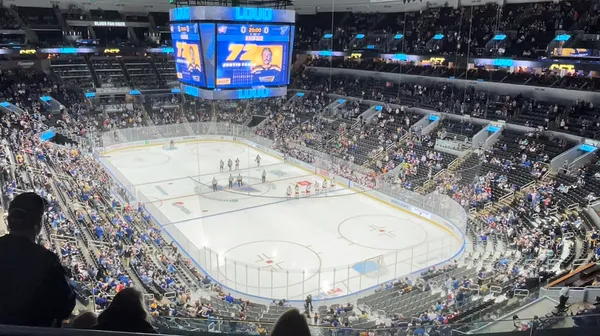
First- and second-round games scheduled for March 20 and 22 at Enterprise Center
St. Louis will host first- and second-round games of the 2026 NCAA Division I men’s basketball tournament at Enterprise Center on Friday, March 20, and Sunday, March 22. The site is scheduled as a subregional host for the tournament’s opening weekend, placing downtown St. Louis among the national rotation of host markets for early-round March Madness games.
The games are expected to draw visiting fans, teams, media and event staff, creating a short, concentrated demand spike for hotel rooms, restaurants, transportation and nearby entertainment districts. Local hospitality and service-sector employers typically see the fastest effects because spending is most immediate in lodging, food and beverage, rideshare/taxis, and parking.
How economic “boost” is usually measured—and what it does and does not mean
Economic impact discussions around major sports events generally focus on direct visitor spending that would not have occurred locally without the event—primarily out-of-town attendees and event operations expenditures. In practice, that includes hotel room nights, dining, local transport, and some retail purchases made during the trip.
At the same time, economists frequently caution that gross spending totals can overstate net gains if they do not account for the substitution effect: local residents may redirect their normal entertainment spending toward the event rather than adding new spending overall. Capacity constraints also matter; when hotels are full, additional demand may be displaced to surrounding areas, shifting the geographic distribution of revenue rather than expanding it within city limits.
In other host cities, reported direct impacts for NCAA men’s first- and second-round weekends have ranged from low single-digit millions to the mid-teens of millions of dollars, largely depending on visitor volume, length of stay and hotel utilization.
What to watch locally during the tournament weekend
Several indicators will help show whether the tournament weekend produces a measurable lift beyond typical March demand:
- Hotel occupancy and average daily rates in downtown and near major corridors.
- Restaurant reservations and point-of-sale activity around event sessions and between games.
- Parking utilization and transit ridership near Enterprise Center during turnover windows between sessions.
- Staffing levels and overtime hours in hospitality, security, and venue operations.
St. Louis’ broader event calendar context
The NCAA tournament games arrive in a month that already concentrates sports-related travel in St. Louis, including recurring postseason college basketball activity at Enterprise Center. For city and regional planners, the NCAA weekend also functions as a performance test of downtown logistics—traffic circulation, public safety staffing, and visitor wayfinding—under national attention.
Any final estimate of the weekend’s economic effect will depend on verified counts of non-local attendance, visitor length of stay, and documented event operations spending. Those inputs, rather than projections alone, determine whether the impact is a modest weekend bump or a more pronounced, reportable gain for the region.