St. Louis police board considers another 7% raise, raising budget questions and parity effects
What is being considered
The St. Louis Board of Police Commissioners is preparing to consider a tentative labor agreement that would raise pay for St. Louis Metropolitan Police Department officers by 7%. If approved, it would follow a 7% raise that took effect in January 2025 and would arrive as the current collective bargaining agreement nears expiration.
Under the earlier 7% agreement announced in January 2025, starting salary for an officer graduating from the police academy increased from $53,196 to $56,920, and the pay progression structure was adjusted to allow officers to reach top pay more quickly. That agreement also reduced the department’s authorized commissioned strength on paper from 1,224 to 1,100 positions as a funding strategy, even as the department remained well below those staffing levels.
Process and timing in focus
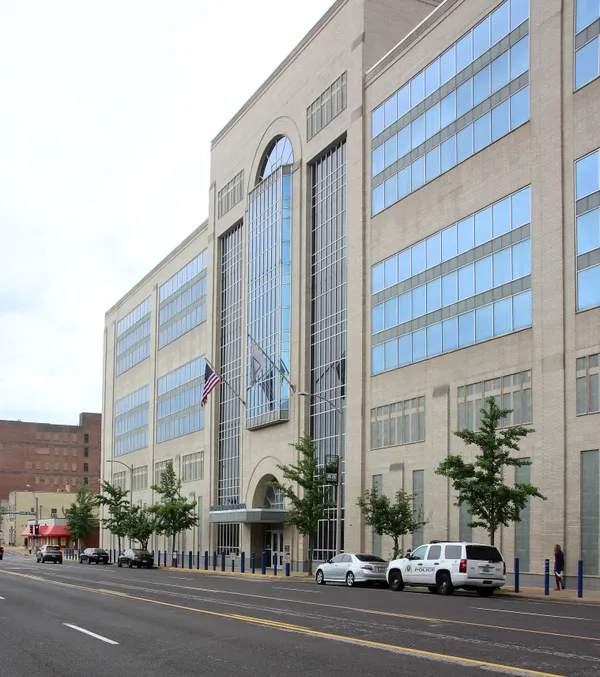
The police board held a scheduled meeting on Monday, January 26, 2026, at police headquarters. Public materials posted ahead of time described the board’s ability to enter executive session to discuss negotiations with employee groups but did not publicly detail a planned vote on a contract package. City officials have raised concerns about whether the financial impact of the tentative agreement was fully documented and reviewed before moving toward board consideration.
A ratification vote by police union membership is also part of the process, meaning the raise would still require both member approval and formal board action to take effect.
Budget impact and ripple effects
City budget officials have estimated the proposed 7% increase would carry an annual cost that exceeds the amount the city typically budgets each year for pay increases across the entire municipal workforce. The financial impact is not limited to patrol officers: raises to rank-and-file officers can trigger salary pressure for supervisory ranks to avoid pay compression, and St. Louis’ charter contains provisions tying firefighter and police pay for certain ranks, which can expand the cost beyond the police department alone.
- Police pay increases can require additional adjustments for supervisors to maintain pay hierarchy.
- Charter-based parity provisions can extend the fiscal effect to firefighter compensation for covered ranks.
- Citywide raise planning can be complicated if one department’s agreement sets a higher benchmark.
State oversight and other cost drivers
The proposed raise is unfolding amid governance changes stemming from Missouri legislation signed into law on March 26, 2025, that reestablished a state-appointed structure for police oversight and set a requirement that, by January 1, 2028, the city dedicate 25% of general revenue to policing. Separately, provisions tied to the new oversight framework have also renewed attention on benefit obligations, including post-employment health insurance requirements that city finance officials have said could add to long-term liabilities.
Key decisions still ahead include union ratification, formal police board action, and the city’s broader budget planning for the next fiscal year.
In the coming days, officials are expected to clarify the agreement’s detailed terms, the precise fiscal impact, and how any raises would be integrated into the city’s upcoming budget cycle.