St. Louis Police Board cites deferred maintenance as it seeks higher city funding for FY2027
Deferred repairs become a central argument in a widening budget dispute
The St. Louis Board of Police Commissioners has elevated deferred maintenance across police facilities as a key justification for a higher city appropriation for the St. Louis Metropolitan Police Department in the city’s Fiscal Year 2027 budget cycle. The board’s current spending plan totals about $250 million, a figure that has become the focal point of an ongoing disagreement with City Hall over how state minimum-funding rules apply and how projected city revenue should be calculated.
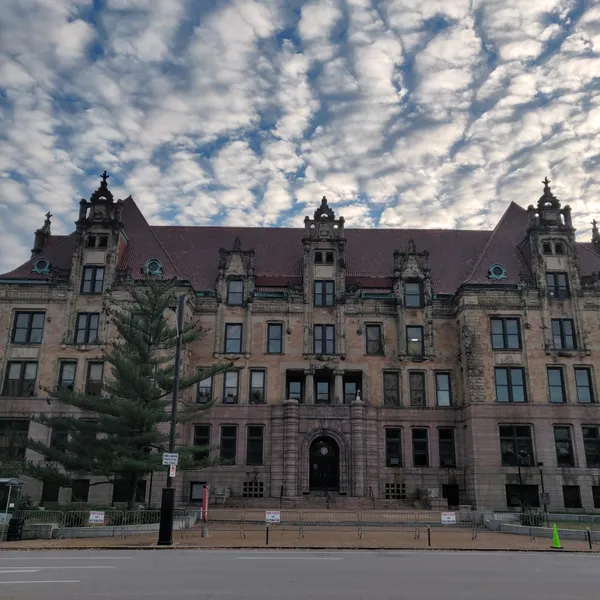
In public statements and budget discussions this month, the board has pointed to aging buildings and infrastructure needs—along with staffing and compensation pressures—as cost drivers. The board has also described the facilities challenge as urgent, identifying a need for major repairs as the police department prepares to assume responsibility for more than two dozen properties as part of an operational transition involving oversight and maintenance of police buildings.
Repair estimate emerges as City Hall and the board debate statutory requirements
In the latest round of exchanges, the police board has said it needs roughly $25 million in the upcoming budget specifically for repairs in older police buildings. The request arrives amid a broader debate over whether the board’s $250 million plan reflects the correct share of the city’s general revenue under state law governing minimum police funding in St. Louis.
City budget officials and the police board have publicly described competing calculations for FY2027. The board has characterized its $250 million total as a level below what would result from applying a higher statutory percentage to projected general revenue, while City Hall has maintained that the police allocation it anticipates would already meet legal obligations when based on the city’s revenue forecast.
At issue is not only the size of the police budget, but what spending categories and revenue estimates must be used to determine the minimum required appropriation.
City leaders cite recent investments and warn of tradeoffs
City leadership has responded by acknowledging that police facilities—like other city assets—require ongoing maintenance, while emphasizing that large increases for one department can force reductions elsewhere. The mayor’s office has said the requested police budget level would require significant cuts to other municipal services if adopted as proposed. City officials have also pointed to recent capital spending on police properties, citing more than $22 million invested over the last five years.
The city ended Fiscal Year 2025 with a general fund operating surplus and reserves above common public-finance benchmarks, but officials have also signaled uncertainty around future revenue and competing infrastructure needs across departments.
What happens next in the FY2027 budget process
Negotiations are expected to continue through the city’s budget calendar leading to adoption. Key unresolved questions include:
- Which facilities will formally shift to police responsibility, and on what timeline.
- How the repair backlog will be scoped and prioritized, including whether projects are funded through operating dollars or capital planning.
- How FY2027 general revenue will be projected and which costs count toward any state minimum-funding calculation.
Until those issues are settled, deferred maintenance will remain both a practical problem for police operations and a central point in the political and legal dispute over St. Louis’ FY2027 public-safety spending.