St. Louis honors Jesse Jackson’s economic equity legacy amid renewed focus on jobs and community wealth
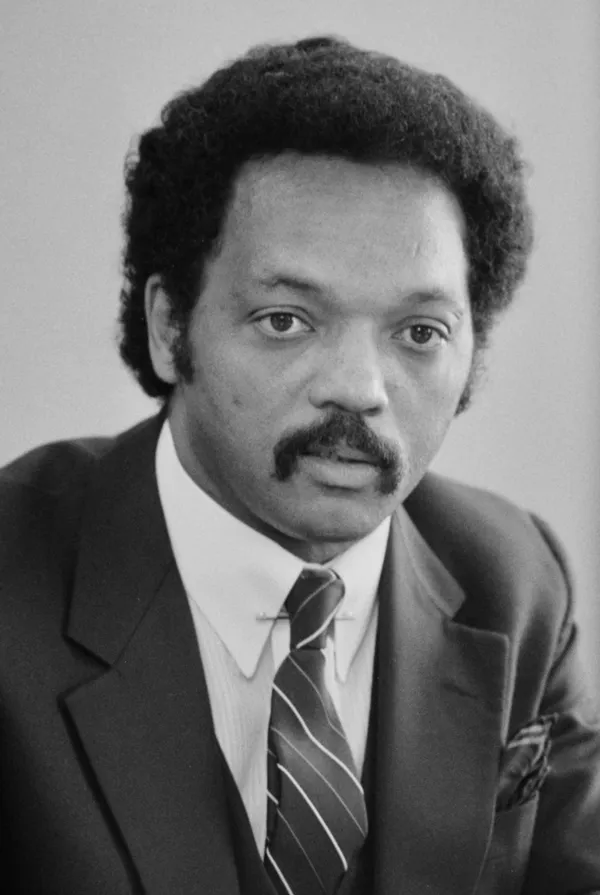
A legacy rooted in civil rights and economic justice
St. Louis is marking the life and work of the Rev. Jesse L. Jackson Sr. with tributes that place economic equity at the center of his legacy. Jackson, a longtime civil rights leader and founder of the Rainbow PUSH Coalition, spent decades pressing corporations and public officials to expand opportunity in employment, education, and access to capital—issues that continue to shape outcomes across the St. Louis region.
Jackson died Tuesday, Feb. 17, 2026, at age 84, prompting commemorations that connect his national influence to persistent local questions about wages, workforce access, and neighborhood investment. In St. Louis, where debates about inclusive growth and racial disparities remain ongoing, the themes emphasized in the city’s remembrances mirror the work Jackson pursued nationally: leveling the economic and educational playing fields and building cross-community coalitions.
How Jackson’s economic agenda resonated beyond Chicago and Washington
Jackson’s approach linked civil rights advocacy with measurable economic demands. Through organizations he founded and later merged into the Rainbow PUSH Coalition, his work included campaigns focused on fair hiring, supplier diversity, and pathways into leadership positions—strategies designed to move economic participation beyond entry-level access and toward decision-making power.
That framework has continued relevance for St. Louis-area institutions and employers navigating a tight labor market alongside longstanding gaps in income and wealth. Civic organizations, labor groups, and community advocates locally have increasingly framed economic equity as a practical policy arena—covering issues such as pay, benefits, transportation access to work, and training pipelines—rather than solely a rhetorical goal.
Local institutions tie commemoration to ongoing equity initiatives
Across the St. Louis area, equity-focused programming in education, philanthropy, and civic leadership has expanded in recent years, reflecting a broader push to translate civil rights values into structural change. Regional convenings have emphasized collaboration among nonprofit leaders, businesses, and community partners, while workforce and leadership events have highlighted inclusive economic participation as a benchmark for civic progress.
Jackson’s long-running message linked dignity and civil rights to concrete economic outcomes—jobs, wages, education, and access to opportunity.
What economic equity means in practice for St. Louis
The renewed attention to Jackson’s legacy has coincided with a local policy and civic environment focused on economic mobility. In practice, economic equity is typically evaluated through outcomes such as employment stability, wage growth, access to affordable housing, small-business development, and the ability of residents to build and retain wealth across generations.
For many St. Louis leaders, the central question raised by commemorations is not whether equity is a shared value, but how it is implemented and measured. That includes the role of employers in hiring and advancement, the role of public agencies in contracting and training, and the role of educational institutions in preparing residents for high-demand careers.
Key themes highlighted in St. Louis tributes
- Economic equity as inseparable from civil rights and political participation
- Cross-community coalition building as a strategy for durable change
- Accountability in employment, education access, and economic inclusion
- Translating commemorations into sustained civic and institutional action
As St. Louis honors Jesse Jackson’s fight for economic equity, the commemoration underscores a lasting civic challenge: aligning the region’s growth with broadly shared opportunity—and verifying that progress with results residents can experience in their daily lives.