St. Louis County’s Project EAGLE FANG tests street drugs anonymously, aiming to reduce overdose deaths
An anonymous drug-checking effort expands harm-reduction options in the St. Louis region
St. Louis County health officials and a local forensic toxicology laboratory have launched an anonymous drug-checking initiative designed to help residents better understand what is circulating in the unregulated drug supply and reduce the risk of fatal overdoses.
The program, known as Project EAGLE FANG—short for Project Evidence And biological Gathering for Laboratory Evaluation and Forensic Analysis of Novel drugs—tests drug product and drug paraphernalia submitted without identifying information. The initiative is run through the St. Louis County Department of Public Health in partnership with a forensic toxicology laboratory affiliated with a physician group practice. The stated goal is to provide actionable information that can help prevent overdoses, including by identifying unexpected drugs and mixtures.
What drug checking can—and cannot—do
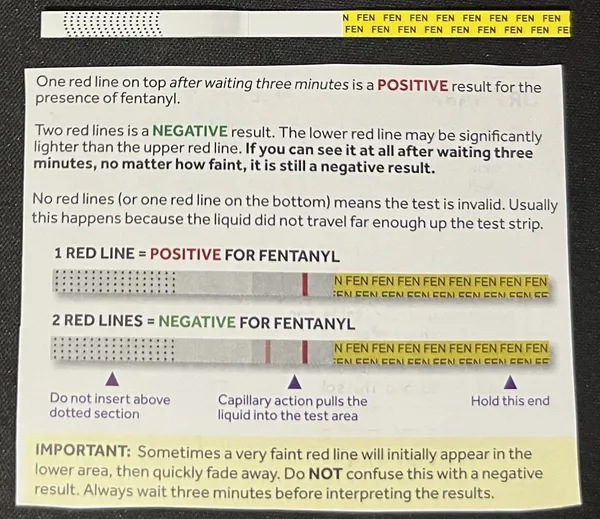
Drug checking is a harm-reduction approach used in multiple U.S. jurisdictions to provide early warning about adulterants and shifting drug trends. In practice, programs often combine methods: rapid test strips that detect the presence of specific compounds and laboratory or spectrometry-based techniques that can identify multiple components in a single sample. Public health agencies increasingly treat drug checking as part of a broader overdose-prevention toolkit that also includes naloxone distribution and connections to treatment.
Health officials emphasize that no testing method eliminates risk. Results can be limited by the type of test used, the portion of the sample analyzed, and the possibility that a batch is unevenly mixed. Even when a sample’s contents are identified, potency can vary sharply from dose to dose, and multiple substances may be present.
Early findings highlight unpredictability of the street supply
Public reporting on Project EAGLE FANG’s initial results has underscored a recurring pattern in toxicology and harm-reduction surveillance: substances are frequently not what users believe they are. Testing has identified cases where samples thought to be fentanyl contained substantial amounts of cocaine, illustrating the potential for stimulant-opioid combinations that can complicate overdose response.
National surveillance and research have documented rapid, local changes in drug supply composition—including the spread of non-opioid sedatives such as xylazine in some regions—and have pointed to the value of timely, location-specific monitoring rather than relying on national averages.
How the program fits into local public health strategy
St. Louis city and county health strategies increasingly describe harm reduction as a set of services intended to keep people alive and healthier while reducing downstream impacts such as infectious disease transmission and preventable deaths. Within that framework, drug checking is positioned alongside naloxone access, education, and pathways to voluntary treatment and recovery services.
Anonymous submission aims to lower barriers to participation and protect privacy.
Testing data can support public health alerts when dangerous combinations appear.
Individual results can inform safer-use decisions, including the choice to not use, use less, or ensure naloxone is present.
In overdose prevention, minutes matter. Drug checking is intended to reduce uncertainty before use—and to help communities see shifts in the drug supply sooner.
Local officials have framed the program as a practical response to an evolving overdose crisis in which fentanyl and polysubstance exposure continue to shape risk. The program’s longer-term impact will depend on participation levels, the speed and clarity of results reporting, and coordination with outreach, emergency response, and treatment resources.