St. Louis begins demolishing tornado-damaged homes, signaling a shift from emergency response to long-term recovery
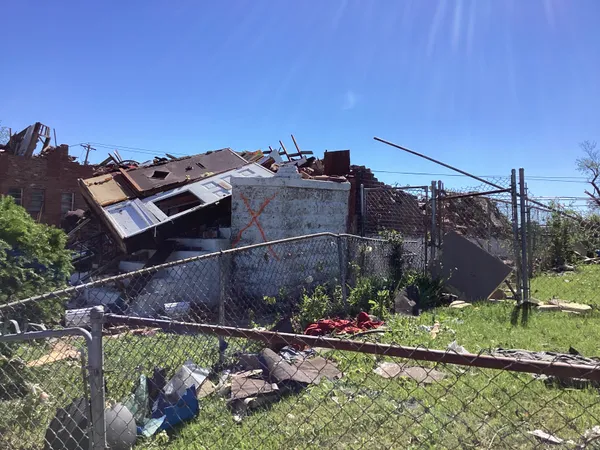
Two demolitions mark a visible step in post-tornado work on private property
St. Louis has started demolishing tornado-damaged houses as part of an expanded recovery effort tied to the May 16, 2025 tornado that cut through several north-side neighborhoods. City-led demolition activity is being treated as an early indicator of a broader operational ramp-up: moving from immediate stabilization and right-of-way clearing toward sustained work on privately owned structures that are unsafe, beyond repair, or too costly to restore.
The May 2025 tornado damaged thousands of residential units and hundreds of businesses across the city. In the months that followed, early recovery concentrated on emergency measures such as securing hazardous sites, restoring access and utilities where possible, and organizing large-scale debris operations. Officials have repeatedly described the next period as longer and more complex, with a repair timeline expected to extend many months and in some cases more than a year from the start of full construction activity.
How the city’s private-property assistance is structured
City recovery programs for tornado-impacted residents have centered on applications for assistance that can include stabilization, repairs, demolition and debris removal. The process has included inspections and site assessments intended to determine scope of work and safety conditions before contracts are issued. The city has also promoted permitting guidance and technical support for residents navigating rebuilding decisions.
- Structural inspections and contractor site assessments are used to define whether a home can be stabilized, repaired, or must be removed.
- Demolition and debris removal can proceed when a property is determined unsafe or not viable for repair and when owners opt into available programs.
- Permitting and approvals remain a separate step for rebuilding, particularly for properties with substantial structural damage.
Why demolitions are a pivotal — and sensitive — milestone
Demolition is often the most visible and final action taken on a damaged structure, but it can also be the most consequential for neighborhood recovery. Removing unsafe buildings can reduce hazards and clear sites for future development. At the same time, demolitions can deepen displacement risks if replacement housing and financing are not aligned with the pace of removals.
For many blocks in the tornado’s path, the central challenge is sequencing: stabilizing what can be saved, removing what cannot, and ensuring rebuilding capacity keeps pace with property loss.
What comes next
City recovery planning anticipates continued scaling of inspections, contracting and construction logistics as more properties are moved from assessment to active work. The pace of repairs and removals will depend on contractor capacity, funding availability across local, state and federal channels, and how many eligible property owners complete required application steps. As demolitions begin, the defining measure of the new recovery phase will be whether repair and rebuilding activity accelerates alongside removals, preserving housing options in the hardest-hit neighborhoods.