St. Louis-area students schedule additional school walkouts amid nationwide protests over stepped-up immigration enforcement actions
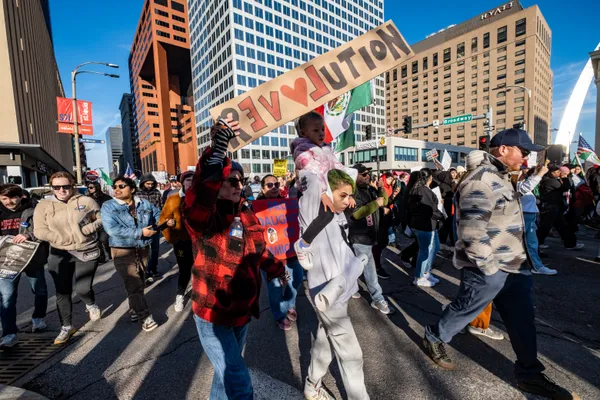
More student walkouts planned across the St. Louis region
Students at several St. Louis-area schools are organizing additional walkouts in the coming days as part of a wider wave of youth-led demonstrations responding to intensified federal immigration enforcement and highly publicized incidents tied to immigration operations. Organizers say the walkouts are intended to show solidarity with classmates from immigrant families and to protest enforcement actions they believe are destabilizing school communities.
The planned activity follows recent walkouts reported in multiple U.S. cities and school districts, where students left class to gather outside campuses and, in some cases, marched to civic buildings. The renewed organizing in the St. Louis region reflects both local concerns and momentum from similar actions elsewhere.
National context: walkouts tied to enforcement operations and legal challenges
The current surge in student protests has been linked to broader national demonstrations that escalated in January 2026. In Minnesota, state and city officials filed a legal challenge seeking to limit a federal immigration enforcement surge after a fatal shooting involving a federal officer during enforcement activity. The enforcement campaign in Minnesota has been described by federal officials as a major operation, and it has drawn sustained public scrutiny.
Beyond Minnesota, student walkouts have occurred in large districts and smaller communities alike. In several locations, walkouts were organized through social media and student networks, with participants carrying signs and flags and gathering at prominent public sites such as capitol grounds, federal buildings, city halls, and courthouses.
How St. Louis-area walkouts are being organized
In the St. Louis area, students have used peer-to-peer organizing and online coordination to plan walkouts and set meeting points. Public discussion surrounding earlier regional protests indicates some groups have walked from school grounds toward municipal or county government locations to demonstrate visibility while staying within familiar routes.
School districts typically treat walkouts as unexcused absences unless arranged as a sanctioned activity. Administrators in other parts of the country have emphasized student safety, traffic control, and supervision concerns, while also acknowledging students’ right to express political views off campus and outside instructional time. Local districts in the St. Louis region have not announced a single, uniform policy response, and practices can vary by district and school.
Key issues raised by students and families
School climate and student wellbeing: Students and advocates say intensified enforcement can contribute to fear among immigrant families, including mixed-status households.
Safety planning: Walkouts concentrate large groups near roads and public spaces, raising concerns about traffic, counterprotests, and the availability of adult supervision.
Educational impact: District leaders often point to lost instructional time and attendance consequences, while student organizers argue the protests address immediate community impacts.
Across the country, student organizers have framed walkouts as a response to immigration enforcement actions they say are affecting classmates and school communities.
What happens next
Additional St. Louis-area walkouts are expected in the near term, with students coordinating meeting times, routes, and expectations for participation. As organizers and districts prepare, the central operational questions remain consistent: how schools will manage attendance and discipline, what safety measures will be in place during any off-campus movement, and whether students will seek meetings with local officials to present specific requests.
The demonstrations are unfolding alongside ongoing legal and political disputes over the scope and methods of federal immigration enforcement, a backdrop that is likely to keep student-led actions in the public eye through the winter and into the spring semester.