St. Louis aldermen reject data center moratorium as city pursues interim rules and new zoning framework
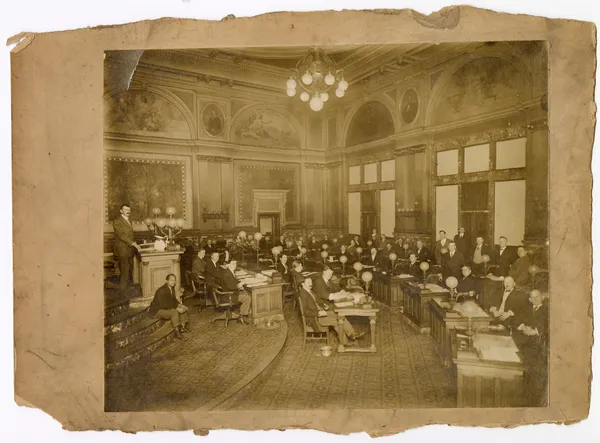
Board declines pause while regulation effort moves forward
St. Louis city lawmakers have rejected a proposed moratorium that would have temporarily halted new data center proposals, opting instead to continue reviewing projects under existing processes while the city develops dedicated regulations.
The decision followed weeks of debate driven by a fast-growing market for large computing facilities and a local regulatory gap: until late 2025, St. Louis had no zoning provisions written specifically for data centers. City officials have argued that the absence of clear definitions and standards complicates decisions about where facilities should locate and what conditions should be required.
Why a moratorium was proposed
The push for a pause accelerated in September 2025 after the city’s Planning Commission urged aldermen to consider a time-limited moratorium while staff studied the land-use, infrastructure and environmental implications of data centers. City planning leaders warned that St. Louis’ zoning code—largely shaped in the mid-20th century—did not provide tailored tools for evaluating modern, high-load facilities that may bring substantial power demand, mechanical noise and specialized cooling needs.
City leaders also highlighted the pace of proposals and the limited availability of project-specific information early in the process as factors complicating public review and neighborhood planning.
Interim approach adopted instead of a ban
Rather than stop new proposals, the city moved to an interim approach intended to increase scrutiny while a longer-term framework is crafted. In September 2025, Mayor Cara Spencer issued an executive order creating short-term requirements for data center developers and directing city staff to produce a regulatory framework within five months.
That work culminated in early February 2026 with the release of a preliminary framework outlining potential zoning definitions, review procedures and baseline operating requirements. City officials scheduled a public hearing for Feb. 11, 2026, as part of the Planning Commission’s consideration of the proposal.
What the preliminary framework would do
The city’s draft framework is designed to establish clearer rules on where data centers can locate and how their impacts are managed. The proposal centers on differentiating facilities by size and electrical demand so that larger projects can face more restrictive siting rules and stronger operating conditions.
- Limiting larger data centers to industrial zoning districts
- Creating minimum separation distances from “sensitive uses” such as schools, parks and places of worship
- Setting standards aimed at reducing noise and controlling emissions from on-site equipment
- Encouraging energy- and water-efficient design and practices
- Expanding transparency and formal opportunities for public input during review
What happens next
The preliminary framework is not a binding rule. Any new zoning regulations would take effect only if approved by the Board of Aldermen and signed by the mayor. Until then, data center proposals can continue to move through existing city processes, including hearings required under conditional-use review when applicable.
City officials have framed the choice as a shift from a broad pause toward case-by-case review paired with accelerated rulemaking, with public feedback expected to shape the final proposal presented to aldermen.