Proposed additional sales taxes at Energizer Park could move forward through St. Louis port district process
What is being proposed
An additional layer of sales taxes tied to purchases at Energizer Park — the home venue of St. Louis CITY SC — is positioned to advance through a local approval process that governs special taxing districts in the city.
The mechanism under consideration centers on expanding or creating a port-related taxing structure that would add to the total sales tax rate applied within a narrowly defined geographic area around the stadium property. The proposal is linked to funding for environmental remediation work involving contaminated groundwater associated with the stadium site.
How special taxing districts work in Missouri
Missouri law allows multiple types of districts to impose additional sales taxes on transactions that occur inside their boundaries. These are typically limited-area tools used for infrastructure, redevelopment, or transportation purposes and can apply only to specific parcels or projects rather than an entire city.
One commonly used tool is a Transportation Development District (TDD), which can impose a sales tax in increments up to a maximum of 1%. In practice, TDDs and other district levies can be layered on top of state, county, and municipal sales taxes, creating a higher combined rate inside the district than outside it.
What is known about current and potential taxes at the stadium
Purchases at the stadium already include special district taxes beyond the baseline sales taxes that apply elsewhere. A prior increase of one percentage point for stadium purchases was approved as an intermediate step tied to establishing the property within a port improvement-related structure, with the stated purpose of supporting groundwater cleanup.
If additional district actions proceed, consumers could see a higher combined sales tax rate on taxable items sold inside the stadium footprint, including concessions and merchandise. The precise, final combined rate depends on the mix of overlapping districts and the rates authorized for each.
Decision points and oversight
Unlike broad citywide sales tax measures, these targeted levies are typically advanced through governing bodies responsible for the district type involved and through associated municipal procedures. Key steps can include boundary definitions, district authorization, and administrative approvals needed to activate or modify collection within a limited area.
Because local district revenue can be restricted to specific purposes, the legal structure often determines not only the rate but also how the funds must be spent and what reporting is required.
Key factual takeaways
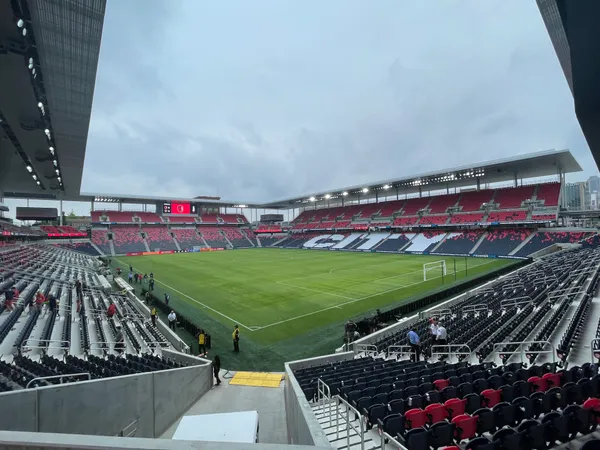
- Energizer Park (formerly CityPark) is the venue tied to the proposed additional district sales taxes.
- The policy rationale presented in prior actions has been to finance contaminated groundwater remediation linked to the stadium property.
- Missouri law permits layered, location-specific sales taxes through special districts such as TDDs, which may levy up to 1%.
- Any added levy would apply only within district boundaries, not across the entire city.
Special taxing districts can materially change the effective sales tax rate within a few blocks, depending on how many district levies overlap and what each is authorized to collect.