North St. Louis homeowner reports water main break preceded tree collapse and major damage to house
Incident unfolds after winter weather, leaving residents seeking answers on responsibility and response
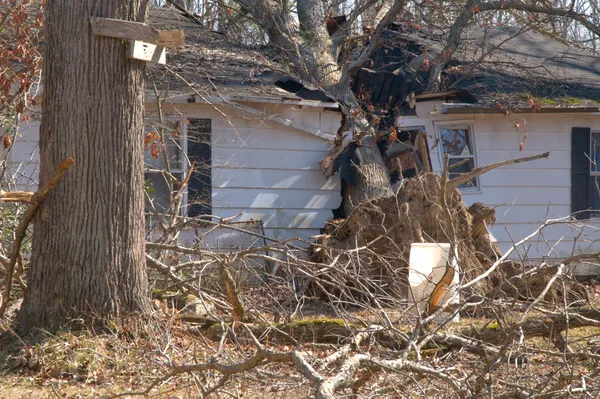
A north St. Louis homeowner says a water main break left standing water along his block for days, and that a nearby street tree later fell onto his house while he and his wife were inside. The incident, which the homeowner ties directly to prolonged saturation of the ground near the tree, underscores how winter-related utility failures can cascade into property hazards beyond roadway flooding.
The homeowner, Carlos T. Brown, said the water main break occurred on Jan. 24, 2026, during a period of extreme winter conditions in the region. Brown said he reported the break that day and that the area was roped off. He described water pooling around the tree for roughly three days, prompting him to seek help over concerns the soaked ground could destabilize the tree.
Brown said water utility crews later returned to begin digging to address the break. He said the tree ultimately collapsed onto the home after that work, causing visible damage to the structure. No injuries were reported in the account provided by the homeowner.
Water main breaks rise in cold snaps, creating additional safety risks
Cold weather is a recurring stress test for older water systems, when rapid temperature swings and frozen ground can contribute to pipe failures. In early February, city officials publicly acknowledged a spike in water main breaks and ongoing repairs, including incidents where undermined pavement created sudden roadway hazards.
Separate recent incidents elsewhere in the St. Louis area have shown how water main failures can lead to extensive property damage and long, complex insurance and reimbursement disputes—especially when questions arise about whether the break originated in public infrastructure and what losses are covered.
How St. Louis routes concerns about street trees
In St. Louis, street trees located in the strip between the curb and sidewalk are generally treated as city-owned and are handled through the city’s Forestry Division workflow. Residents can report downed limbs, hazardous conditions, or other tree-related problems through the Citizens’ Service Bureau (CSB), which assigns and tracks requests for city departments.
- To report a hazardous or damaged city tree, residents can contact the CSB at 314-622-4800.
- Requests typically require an address or intersection and a description of conditions; photos can help document damage.
What remains unresolved
As of publication, no official determination has been made public establishing whether the water main break caused or contributed to the tree’s failure, or whether excavation and repair activity played a role. The homeowner’s account raises a central question that often follows infrastructure-related damage: when a sequence of municipal conditions and actions precedes a property loss, who bears financial responsibility—and what documentation is needed to support claims.
Residents dealing with water or tree hazards are typically advised to document conditions with photos and timestamps and to retain service-request numbers to establish a timeline of reports and responses.
City response timelines, maintenance records, and any findings from post-incident inspections will be key to understanding why the tree fell and whether the risk could have been reduced through faster mitigation of standing water, temporary stabilization measures, or earlier removal of a potentially compromised tree.