Nine Months After the May 2025 Tornado, North St. Louis Residents Report Slow Recovery Progress
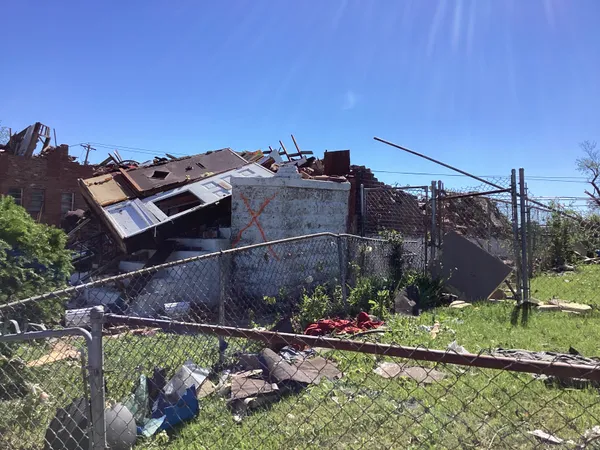
A neighborhood-level recovery marked by damaged homes, stalled repairs and uneven access to assistance
Nine months after an EF-3 tornado cut through the St. Louis region on May 16, 2025, residents in some of the hardest-hit parts of north St. Louis say daily life still revolves around damaged property, temporary fixes and unresolved housing needs. The tornado caused widespread destruction across residential blocks and public infrastructure, with damages estimated in the billions and thousands of buildings affected.
The disaster was followed by a prolonged push for federal support. Missouri’s governor requested a major disaster declaration on May 26, 2025, and a declaration was approved on June 10, 2025, opening the door to federal programs that can include grants for temporary housing and home repairs, along with support for local governments and eligible nonprofits to restore public facilities.
What assistance has been available, and where the gaps can emerge
After the June 10 declaration, recovery options expanded through multiple channels. Residents were directed to first file insurance claims when applicable, then register for federal assistance. Local recovery efforts included in-person help sessions and coordination with partner organizations to connect households to resources, including guidance for repairs and pathways to additional programs.
Even when assistance exists on paper, recovery can stall for practical reasons: incomplete documentation, insurance disputes, difficulty navigating application requirements, contractor shortages, and the challenge of stabilizing older housing stock before full repairs can begin. City outreach has also faced the task of identifying storm-damaged households that did not apply for available aid—an issue that can leave vulnerable residents outside formal recovery pipelines.
Infrastructure and housing pressures compound in north St. Louis
North St. Louis entered the tornado with long-standing housing and infrastructure challenges, and the storm intensified those stresses. For homeowners, the line between “habitable” and “repaired” can be the difference between staying put and being displaced. For renters, uncertainty can be sharper, particularly when damage leads to unit closures, prolonged remediation, or landlord-initiated turnover.
Public recovery involves debris removal, repairs to streets and public facilities, and the coordination of cost-sharing reimbursements. These steps can move on a different timeline than individual household recovery, creating a mismatch between visible neighborhood conditions and the slower mechanics of disaster finance.
Key milestones since the tornado
May 16, 2025: EF-3 tornado strikes the St. Louis region, leaving widespread damage and casualties.
May 26, 2025: Missouri requests a major federal disaster declaration to unlock expanded assistance.
June 10, 2025: Federal major disaster declaration approved for the city of St. Louis and parts of St. Louis and Scott counties.
Summer–Fall 2025: Local and federal recovery efforts continue, including programs focused on urgent repairs and technical guidance.
“Recovery” is not a single event but a set of parallel tracks—housing stabilization, insurance resolution, contractor availability and public-infrastructure repair—that may not advance at the same speed across neighborhoods.
As the city approaches the one-year mark from the tornado, the central question for the most damaged north St. Louis blocks is not only how much funding is available, but how quickly help can translate into completed repairs, restored housing, and safe, livable streets.