National Blues Museum in downtown St. Louis shuts down operations, citing reduced visitor traffic and funding pressures
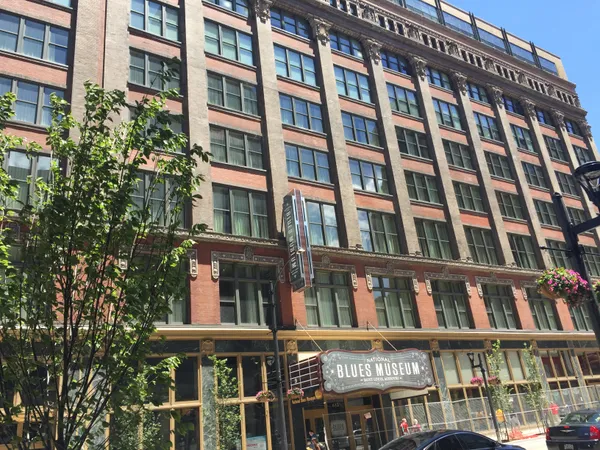
A downtown cultural institution ends its public run
The National Blues Museum in downtown St. Louis has closed, ending day-to-day public access to a venue that combined exhibitions, educational programming and live performance space focused on blues music and its influence on modern American music.
The museum operated at 615 Washington Avenue, adjacent to the city’s convention and tourism corridor. In recent public-facing materials, it listed regular operating hours of Wednesday through Sunday, 11 a.m. to 3 p.m., with seasonal variations and separate hours for its gift shop. The closure follows a period in which many downtown destinations have worked to rebuild visitor volumes after years of uneven foot traffic patterns.
Why the museum said it could not continue
The museum’s stated rationale centered on reduced downtown visitor traffic and broader financial constraints typical of admission-based cultural nonprofits that must balance fixed building and staffing costs with fluctuating attendance. While museums often diversify revenue through memberships, ticketed programming, private events and philanthropy, the ability to sustain operations depends heavily on reliable demand and consistent fundraising.
In downtown environments, visitor counts can be shaped by convention calendars, office occupancy, special events, public-safety perceptions, transportation access and the mix of nearby attractions. For institutions that charge admission, the competitive landscape also includes free museums and attractions across the region, which can influence visitor decision-making—particularly for families and tourists with limited time.
What the National Blues Museum was and where it fit
Opened in 2016 as a nonprofit museum, the National Blues Museum positioned itself as a specialized institution dedicated exclusively to the blues, with a gallery experience designed around artifacts, listening stations and interpretive storytelling. It also used a dedicated performance room to host concerts and community music events, placing it at the intersection of heritage tourism and the live entertainment economy.
In recent years, the museum also participated in downtown programming that brought live music into public space, aligning with a broader civic strategy aimed at increasing street-level activity and supporting nearby small businesses.
What closure means for visitors and downtown programming
The shutdown removes one of the few downtown institutions built around a single American music genre and its cultural history. It also reduces the inventory of small-to-mid-sized indoor venues that can serve both tourists and local audiences, especially during convention periods when walkable evening options are in high demand.
Visitors lose an indoor attraction steps from major hotels, the convention center and MetroLink access.
Local musicians and presenters lose a recurring platform for blues-oriented programming.
Downtown’s cultural ecosystem becomes more dependent on larger venues and seasonal outdoor events.
For many specialized museums, long-term stability depends on a combination of predictable attendance, strong donor support, and programming that consistently converts nearby foot traffic into ticketed visitors.
Details about collections management, staffing transitions, and any potential future reopening or organizational restructuring were not immediately clear from available public information at the time of publication.