Monday morning travel check at Lambert Airport: flights on time amid bitter cold and winter risks
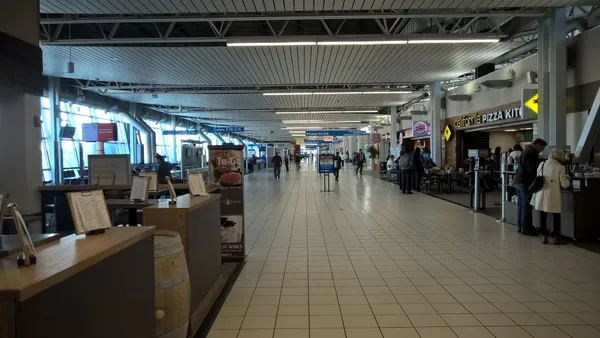
Operational status at STL
St. Louis Lambert International Airport began Monday morning, Jan. 26, 2026, reporting normal conditions for air traffic. The Federal Aviation Administration’s airport-status monitor listed Lambert as “On Time” shortly before 9 a.m. Central, alongside fair-weather observations and a west wind.
For passengers, the airport’s own status tools indicated short security lines early in the day. The airport’s published estimate showed a single-digit TSA wait range at the time of the morning check.
Weather: cold dominates, not precipitation
The primary factor shaping travel conditions around the region Monday is temperature rather than snowfall. The St. Louis area is under bitterly cold air, with sunshine expected through the day and a forecast high remaining in the teens. That profile typically reduces the likelihood of widespread deicing-related gridlock compared with active snow or ice events, but it increases other operational pressures, including aircraft deicing requirements around gate turns and heightened sensitivity to ground-equipment performance.
While the airport can operate normally in cold air, the wider travel chain—getting to the terminal, waiting outdoors for ground transportation, and managing time buffers—can become more challenging when wind and low temperatures combine.
Parking and passenger flow indicators
Lambert’s traveler information systems also provide a snapshot of ground-side conditions. On Monday morning, the airport’s parking module was intermittently unavailable, a reminder that real-time lot occupancy can fluctuate and that some automated feeds may not always display. Travelers relying on airport-provided parking availability may need to confirm conditions on arrival and plan extra time for locating an open lot or moving between lots and terminals.
What travelers should do this morning
Verify your specific flight status before leaving for the airport, since an overall “on time” designation does not rule out individual delays or gate changes.
Build extra time for winter operations and ground travel, especially during early-morning departures when deicing activity can affect boarding and pushback timing.
Prepare for extreme cold outdoors by limiting exposure while waiting for shuttles, ride-hails, or curbside pickup.
Arrive with a buffer for security screening even when posted waits are low, as checkpoint staffing and passenger surges can change quickly.
Bottom line: As of Monday morning, Lambert’s system-wide status was normal, with the region’s main travel variable being dangerous cold rather than active winter precipitation.