Investigators respond to Greater Ville fire as officials examine cause, safety risks, and neighborhood conditions
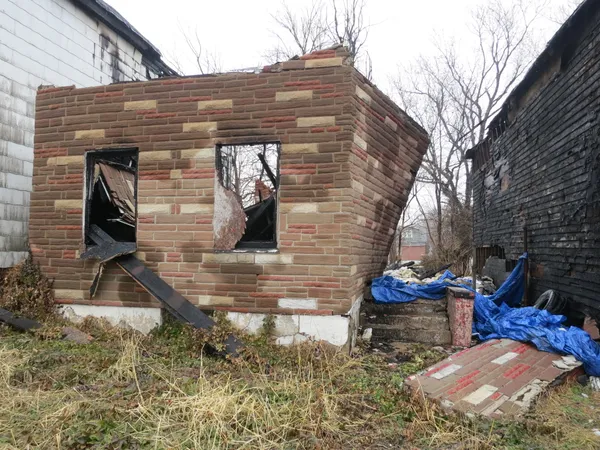
Fire scene in Greater Ville draws investigators
Investigators were called to examine a fire in St. Louis’ Greater Ville neighborhood, reflecting standard procedures when incidents raise questions about origin and cause, involve injuries or fatalities, or occur in settings that require closer scrutiny.
The St. Louis Fire Department’s Fire Investigation Unit is responsible for determining a fire’s origin and cause in cases that include fire deaths, serious fire-related injuries, explosions, intentionally set fires, suspicious fires, and fires that remain undetermined in occupied or recently vacated buildings. The unit’s work typically includes scene examination, evidence recovery, photography and documentation, alongside coordination with law enforcement partners involved in bomb and arson investigations.
What investigators do next
In a typical investigation, specialists document burn patterns and structural damage, evaluate ignition sources, and collect information from incident reports and witnesses. Investigators also seek to establish timelines—when smoke or flames were first noticed, whether odors were detected before discovery, and whether doors or windows were open or damaged before firefighters arrived.
Witness observations can be critical in reconstructing events before crews reach the scene, particularly when a building’s condition or prior activity limits available information.
Greater Ville’s added risks: vacancy, damage, and exposure
Greater Ville, like several North St. Louis neighborhoods, includes corridors with vacant or distressed properties—conditions that can complicate firefighting operations and post-fire analysis. Past fires in the area have involved dangerous interior conditions, including floor failures that can injure responders. Vacant structures also present challenges for determining occupancy status at the time of the fire and for confirming whether a building was recently used, entered unlawfully, or altered before the incident.
In early 2026, community reporting documented people seeking warmth inside vacant buildings in the Greater Ville area during severe winter conditions, including the use of small indoor fires to heat makeshift rooms. Such circumstances can increase the likelihood of accidental ignition and heighten the stakes for investigators who must differentiate between unintended fires and those that are intentionally set.
How residents can help without jeopardizing the inquiry
Officials emphasize that the public’s role is primarily to report emergencies immediately and preserve information. Residents who witnessed activity near the scene—vehicles leaving, people entering or exiting, or changes in doors and windows—can provide details that are difficult to recover after suppression operations begin.
- Call 911 immediately to report fires or life-threatening emergencies.
- Share observations with responders on scene if safe to do so, including when smoke was first noticed and where it appeared to originate.
- Avoid disturbing debris or moving items that may be relevant to determining where and how the fire began.
What comes after the scene is cleared
Once the immediate hazards are addressed and investigators complete initial documentation, findings may be classified under broad categories such as accidental, undetermined, or intentionally set. When evidence suggests criminal conduct, law enforcement involvement typically expands. For residents and nearby property owners, final determinations can affect insurance claims, building safety decisions, and any potential enforcement actions tied to code compliance or property conditions.
The investigation remains centered on verified physical evidence and documented accounts, with conclusions dependent on what specialists can substantiate from the scene.