I-44 Eastbound Closed Past Park Avenue in St. Louis, Forcing Drivers to Exit and Reroute
What happened and where the closure is
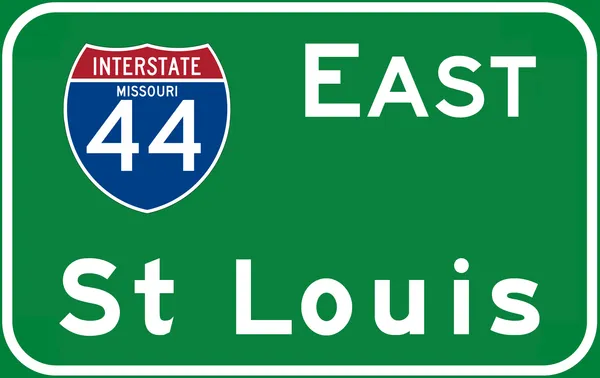
Eastbound Interstate 44 in St. Louis was closed beyond the Park Avenue area, interrupting a key approach into downtown and pushing traffic off the interstate at the Park/7th Street exit. The shutdown affected eastbound drivers traveling toward the I-44/I-55/I-64 complex near the riverfront, a corridor that routinely carries heavy commuter and freight traffic.
In the hours after the closure began, motorists reported being directed away from the interstate and onto city streets via the Park/7th exit. The closure was associated with a crash response and scene clearance activity near the Park Avenue connector area, a location where ramps and lane merges concentrate traffic movements.
Why closures at Park Avenue quickly create broader backups
The Park Avenue vicinity sits on one of the region’s most constrained stretches of freeway, where eastbound I-44 transitions into a dense network of downtown ramps. When eastbound lanes are blocked in this area, options for keeping vehicles on limited-access roadways are limited, and detoured traffic often spills onto surface streets that were not designed to absorb freeway volumes for extended periods.
Operational records from prior incidents in the same general segment show that even partial lane blockages can trigger rapid diversion to Park Avenue and nearby streets when police or transportation crews restrict access, underscoring the area’s sensitivity to disruptions.
What drivers can expect during incident-related shutdowns
Forced exits and detours can occur with little notice when emergency response requires lane closures or full stoppages.
Backups may extend upstream as traffic compresses into fewer lanes or is stopped entirely.
Secondary congestion commonly develops on parallel downtown streets and on-ramps as rerouted vehicles attempt to re-enter the interstate system.
When a closure occurs close to major downtown interchanges, the impacts can spread quickly because there are fewer alternate freeway paths to keep traffic moving.
What remains unknown
Details such as the number of vehicles involved, whether injuries were reported, and an exact reopening time were not publicly confirmed in the information available at publication time. Incident-driven closures in this corridor can range from brief interruptions to longer shutdowns depending on the severity of the crash, the need for towing, and whether roadway debris or infrastructure damage is present.
Guidance for commuters
Drivers heading eastbound toward downtown during similar closures should anticipate detours at Park Avenue and consider alternate approaches into the central corridor until all lanes reopen. Because conditions can change rapidly as responders clear a scene, motorists should allow extra travel time and expect congestion to persist after reopening as traffic queues dissipate.