Fire Forces Evacuation of South St. Louis Apartment Building, Displacing Residents as Investigators Seek Cause
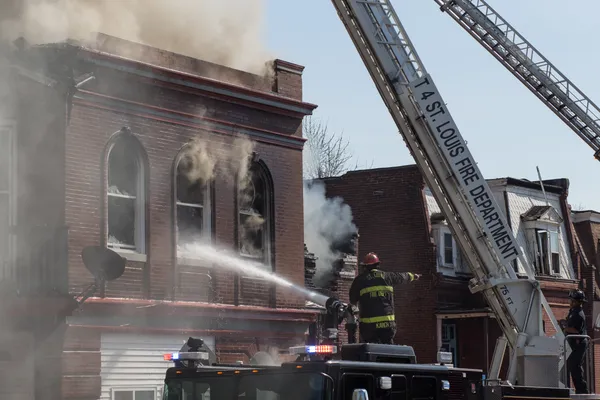
Residents evacuated as firefighters contained an overnight blaze
A fire in a south St. Louis apartment building prompted an evacuation as crews worked to contain flames and prevent injuries. The blaze occurred at a two-story brick residential building in the city’s southern area, where residents were moved out while firefighters attacked the fire and checked for smoke conditions throughout the structure.
The evacuation was completed without reported injuries, and firefighters focused on limiting fire spread and confirming that every resident had exited. Such operations typically involve rapid door-to-door checks, ventilating smoke, and verifying that common hallways and upper floors have not been compromised by heat or fire extension.
What is known about the building and response
- The incident involved a multi-unit, two-story brick apartment building in south St. Louis.
- Residents were evacuated during the response as a safety measure.
- No injuries were reported following the evacuation and initial firefighting operations.
- The cause of the fire had not been publicly confirmed at the time the incident was reported.
Displacement and immediate needs after apartment fires
Apartment fires often create short-notice displacement even when injuries are avoided. Residents may be unable to re-enter for extended periods due to smoke damage, utility shutoffs, or structural concerns—especially when fire reaches concealed spaces such as attics or voids between units. In winter events, transit or warming resources are sometimes staged nearby to support displaced occupants while damage assessments and safety checks are completed.
When multiple units are affected, follow-up steps commonly include evaluation by building officials and coordination with property management on temporary relocation, restoration timelines, and access to medications, documents, and essential belongings. Fire investigators generally examine the area of origin, potential electrical or cooking-related ignition sources, and whether smoke alarms functioned properly during the incident.
How the investigation typically proceeds
Determining the cause of a residential structure fire can take time. Investigators usually document burn patterns, evaluate utilities and appliances, and interview occupants and first responders. If the fire spread into the roof or attic space, investigators may also assess whether the fire traveled through ventilation openings, wall cavities, or shared construction features between units.
Residents are generally advised to follow official re-entry instructions and avoid returning until the structure is cleared for occupancy.
Additional details—such as the precise address, the estimated number of residents displaced, and the extent of damage—are typically released after officials complete on-scene assessments and investigators finalize preliminary findings.