Epi Minute 10 explains coping with allergies, and when symptoms signal a life-threatening emergency
Allergies are common, but emergencies are defined by speed and severity
Seasonal allergies and everyday sensitivities are widespread in the United States, but the “Epi Minute 10: Coping with Allergies” segment centers on a more urgent reality: some reactions can escalate quickly into anaphylaxis, a medical emergency that can narrow airways, drop blood pressure, and become fatal without rapid treatment.
Anaphylaxis is distinct from mild allergy symptoms because it can affect multiple body systems at once and progress within minutes of exposure to a trigger. Triggers commonly include certain foods, stinging insects, medications and latex. Symptoms may begin immediately after exposure, or they can appear later, which can complicate recognition in fast-moving situations.
Recognizing warning signs: not every reaction looks the same
Clinical education materials used in first-aid and patient training consistently emphasize that anaphylaxis can present differently from one episode to the next. Skin symptoms such as hives are frequent but are not guaranteed, and some cases can begin primarily with breathing or circulatory symptoms.
- Breathing problems: wheezing, coughing, shortness of breath, throat tightness
- Swelling: lips, tongue, face, or throat
- Circulation and neurologic symptoms: dizziness, faintness, weak pulse, signs of shock
- Gastrointestinal symptoms: cramping, vomiting, diarrhea
The operational takeaway for families and caregivers is simple: in severe reactions, time matters. Waiting for symptoms to “settle” can increase risk if the reaction is progressing.
Epinephrine remains first-line treatment in anaphylaxis
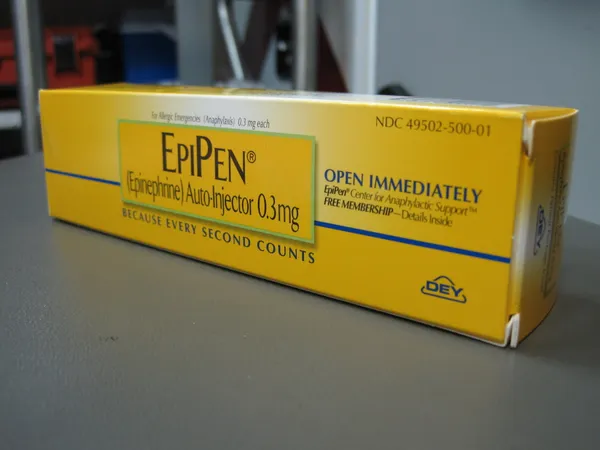
Across medical and first-aid training frameworks, epinephrine is treated as the first-line medication for anaphylaxis. Auto-injectors are designed for rapid intramuscular delivery, typically into the outer thigh, and many products are packaged in two-packs because a second dose may be required before professional care is available. Repeat dosing is commonly described in training materials in the 5- to 15-minute range when symptoms do not improve or return.
Key preparedness principle: people at risk are advised to keep immediate access to two epinephrine auto-injectors and a clear action plan that can be followed by others.
Why emergency follow-up is part of the plan
Even when symptoms improve after epinephrine, follow-up medical evaluation is commonly included in action plans because reactions can recur after initial improvement. Training and clinical summaries describe “biphasic” patterns in which symptoms return hours after the first wave, and they also underscore that the severity of a second phase can vary.
For households managing severe allergies, “coping” is often as much about logistics as medicine: avoiding known triggers, communicating risk in schools and workplaces, ensuring devices are not expired, and making sure multiple people know how to act quickly under stress.
Practical checklist for day-to-day coping
- Identify triggers and document them in a written action plan shared with caregivers, schools, and close contacts.
- Carry two epinephrine auto-injectors and keep them accessible (not stored in a distant bag or locked cabinet).
- Review device instructions regularly and rehearse the steps with a trainer device if available.
- After epinephrine use for suspected anaphylaxis, seek urgent medical evaluation to monitor for recurrence and complications.
“Epi Minute 10” fits into a broader public-health message: the most effective response to severe allergy emergencies depends on early recognition, immediate epinephrine when indicated, and a plan that reduces hesitation during the critical first minutes.