Deep freeze triggers pipe bursts across St. Louis, forcing urgent shutoffs and costly residential water-damage cleanup
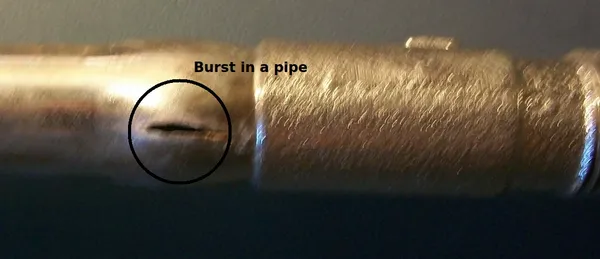
A cold snap turns hidden plumbing failures into visible emergencies
A prolonged stretch of extreme cold across the St. Louis region is driving a sharp rise in frozen and burst pipes, a scenario that often unfolds in two stages: water lines freeze while temperatures remain below freezing, then ruptures reveal themselves as soon as the pipe warms and pressure returns. The result for homeowners can be sudden indoor flooding, soaked drywall and insulation, and urgent calls for water shutoffs and repairs.
City guidance issued during the latest extreme-cold event warned that pipes exposed to temperatures below 20 degrees for extended periods face elevated risk, and that significant damage can occur when frozen lines thaw. Local plumbing firms reported being inundated with service requests for frozen lines since late last week, with repairs commonly requiring removal and replacement of damaged pipe sections and frequently costing hundreds of dollars, before any broader water-damage remediation begins.
Where failures happen most often inside homes
Cold-weather plumbing failures are not limited to old homes, but risk increases where pipes run along exterior walls, through unheated garages, crawlspaces, and soffits, or under sink cabinets that trap cold air. Plumbers say small drafts and under-sink plumbing—including traps and branch lines—can freeze quickly in subzero wind chills and then leak once thawed, sometimes after occupants believe the worst has passed.
In addition to private interior piping, the broader cold-weather strain can ripple through neighborhoods when multiple breaks occur simultaneously. Residents have reported temporary loss of water service tied to emergency street work and competing repair priorities, illustrating how widespread freezes can stretch response capacity.
What residents are being told to do during extreme cold
Local agencies have emphasized practical steps aimed at prevention and rapid damage control. Core recommendations include keeping water moving and protecting vulnerable lines—measures intended to reduce freezing risk and limit the severity of failures when temperatures plunge.
- Let cold water drip from faucets, especially those on exterior walls, to keep water moving.
- Open cabinet doors under sinks to allow warmer indoor air to circulate around plumbing.
- Disconnect outdoor hoses and protect exterior spigots with foam covers.
- Know where the home’s main shutoff valve is and how to operate it quickly.
- Use only safe heat sources to thaw pipes; open flames are discouraged due to fire risk and potential pipe damage.
When temperatures remain well below freezing, a pipe may not show damage until it thaws and water pressure returns—turning a frozen line into a flooding emergency in minutes.
Cleanup and recovery: why speed matters after a burst
Once water escapes into walls, floors, or basements, time becomes a key factor. Standing water and saturated building materials can lead to secondary damage, including warped flooring, compromised drywall, and increased mold risk if drying is delayed. Homeowners typically face a sequence of decisions: stopping the flow (shutoff), stabilizing the site (electric safety and water extraction), and documenting damage for insurance while arranging repairs.
With cold conditions expected to persist through the end of the month, officials continue urging residents to prepare before the next temperature drop, focusing on vulnerable pipes and ensuring shutoff access is clear and functional.