CLEAR biometric eGates are slated for St. Louis Lambert, changing how some travelers clear TSA checkpoints
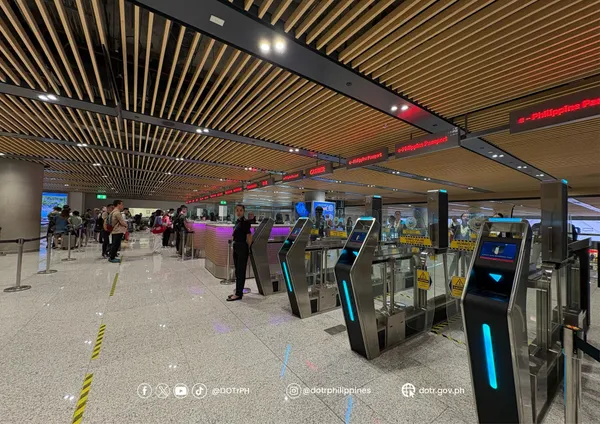
What is being introduced
St. Louis Lambert International Airport is preparing to add CLEAR’s biometric “eGates,” an automated entry system designed to speed the identity-verification step at Transportation Security Administration (TSA) checkpoints for eligible travelers. The equipment is part of a broader TSA modernization effort that has been rolling out nationally since mid-2025 through a public-private partnership model.
eGates are meant to replace part of the current process in which a CLEAR representative escorts a member to a TSA officer for document checking. With the gate system, a traveler uses a self-service portal that captures a live facial image and matches it to the identity information associated with the traveler’s enrollment, alongside boarding-pass and identity-document checks used for access decisions. TSA retains operational control over admissions and screening, and travelers still complete standard physical screening after identity verification.
How it differs from other expedited options
CLEAR’s eGates are separate from TSA PreCheck, which is a federal trusted-traveler program that typically provides expedited physical screening rules for approved passengers. CLEAR operates as a registered-traveler service and is generally positioned as a faster path through the identity-check portion of screening, often used alongside PreCheck where available.
Lambert already supports CLEAR enrollment activity and CLEAR lanes at multiple checkpoints, which provides the on-airport infrastructure base for deploying the gate-based model. The eGates are expected to be used as an opt-in feature tied to CLEAR membership, rather than a general-purpose TSA lane for all travelers.
National context and what it signals for Lambert
The eGate program began as a limited pilot at large U.S. airports in August 2025, with deployment tied to anticipated travel surges connected to major events in 2026. Since that initial phase, the technology has expanded to additional airports, reflecting a shift toward automation and biometric matching as a way to reduce manual handoffs at checkpoints.
For Lambert, the operational impact will depend on where gates are placed (by terminal and checkpoint), how many units are installed, and whether TSA staffing and lane configurations are adjusted to take advantage of faster identity processing. Airports that have introduced the gates have generally framed them as a throughput tool: moving the ID-check function into an automated portal so TSA officers can focus attention on screening operations and exceptions.
Privacy, oversight, and traveler considerations
Biometric checkpoint tools are often scrutinized for data handling, oversight, and opt-in clarity. In the eGate model, TSA controls access decisions, and the program is structured as an additional option for enrolled members rather than a mandatory process for the traveling public. Travelers who do not participate would continue using standard TSA identity-check procedures.
- Who it affects: enrolled CLEAR members using participating lanes.
- What changes: identity verification is performed at an automated gate rather than via a representative escort to a podium check.
- What does not change: TSA screening remains required; physical screening procedures still apply.
Lambert’s eGate rollout will be best measured by checkpoint throughput, wait-time variability during peaks, and how consistently the automated lanes remain staffed and operational across terminals.