Clayton Police Open Investigation After Death of Detainee at St. Louis County Jail Facility
What is known so far
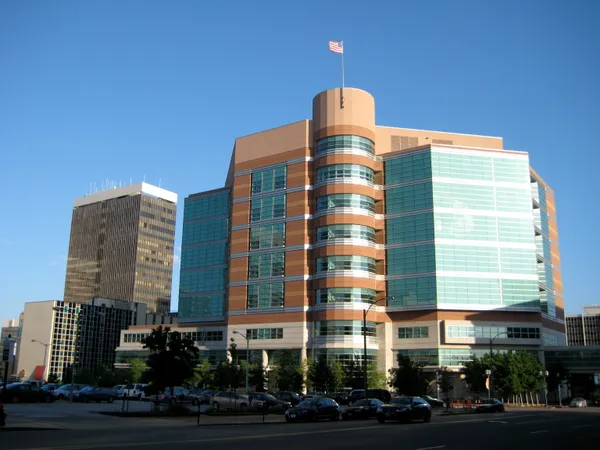
Clayton police have opened an investigation following the death of a detainee at the St. Louis County jail, the detention facility inside the Buzz Westfall Justice Center in Clayton. As is standard in in-custody death cases in the county jail, the local police agency where the facility is located is responsible for investigating the circumstances around the death.
Authorities have not publicly released key details that typically shape early understanding of an in-custody death, including the detainee’s identity, the time the person was found in distress, whether staff attempted lifesaving measures before transport, or whether the death followed a reported medical emergency, injury, or other incident inside the facility.
How in-custody death investigations typically proceed in Clayton
In-custody death investigations generally involve securing the scene, collecting surveillance footage, obtaining jail logs and staff reports, interviewing witnesses (including staff and detainees), and documenting the timeline of medical complaints or observations leading up to the emergency. Investigators also typically review whether facility policies were followed, including observation checks, emergency response protocols, and procedures for requesting medical care.
Cause and manner of death are determined through the medical examiner process. That determination can take weeks or longer, depending on toxicology testing and the complexity of the case. Until then, law enforcement agencies often describe findings only in broad terms.
Context: scrutiny of detention health care and safety
The St. Louis County jail has faced recurring public attention in recent years related to detainee deaths, particularly cases tied to medical emergencies. Past reviews and litigation connected to deaths in the county jail have focused on how quickly symptoms were recognized, how staff responded to repeated complaints, and whether escalation to clinical care occurred in time.
More recently, external inspection activity and documentation regarding facility conditions has drawn attention to maintenance and sanitation issues at the jail complex. While such findings do not establish a link to any individual death, they are part of the broader oversight landscape surrounding jail operations and detainee welfare.
Key questions investigators will need to answer
- When the detainee was last seen responsive and when the emergency was first observed.
- Whether the detainee had made recent medical requests and how those requests were handled.
- What staff did in the minutes before and after the emergency, including CPR and use of emergency equipment.
- What surveillance footage, housing-unit logs, and witness statements show about the detainee’s condition.
- Whether there were any preceding incidents, including falls, use-of-force events, or altercations.
In-custody death investigations typically rely on a combined record: video, documentation of observation checks, medical request logs, and witness interviews to establish a minute-by-minute timeline.
What happens next
The investigation is expected to continue while the medical examiner process determines the cause of death. Additional information is typically released only after next-of-kin notification and after investigators have completed core fact-gathering, including review of video and medical records. Any administrative review by the jail’s operators may proceed in parallel, separate from the criminal investigation.
For the public, the clearest forthcoming milestones are the identification of the detainee and the medical examiner’s ruling. Those two elements usually frame whether the case remains an administrative matter, becomes the focus of policy changes, or results in criminal or civil proceedings.