Boil Water Advisory Issued for Parts of South St. Louis After Water Main Break Lowers Pressure
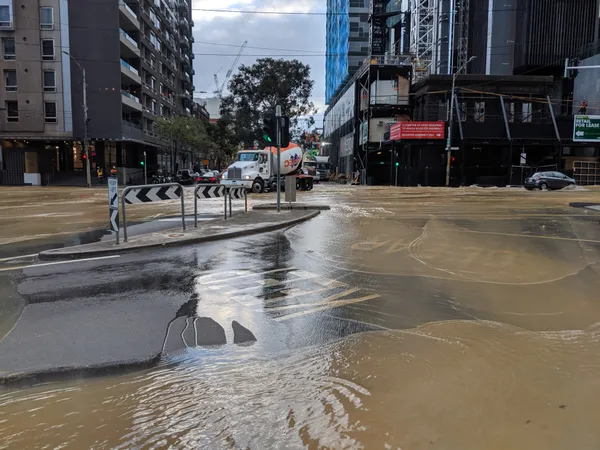
Advisory follows pressure drop tied to a main break in the city system
Parts of south St. Louis were placed under a precautionary boil water advisory after a water main break caused low water pressure in sections of the city’s distribution network. A pressure loss can create conditions in which contaminants may enter water lines, prompting water systems to recommend boiling tap water until testing confirms the system remains safe.
City guidance describes a boil water advisory as a temporary measure used when a problem is suspected but not confirmed, including after very low water pressure or a main break. In that scenario, water samples are collected and analyzed for bacteriological indicators, with results commonly available the next day. Separate from an advisory, a boil water order is a formal state-issued requirement when a threat to public health exists or is likely to exist.
What residents in affected blocks should do
Residents within the advisory area are instructed to use boiled water for any activity that involves consumption. City boil-advisory instructions specify bringing water to a vigorous boil for three minutes before using it for drinking, brushing teeth, and food preparation. The same guidance calls for discarding ice cubes and not using ice made by household automatic ice makers until the advisory is lifted.
- Boil tap water for three minutes before drinking or cooking.
- Use boiled water for brushing teeth and preparing beverages (including infant formula).
- Discard existing ice and remake ice only with boiled water after the advisory ends.
- Disinfect food-contact surfaces and dishes as directed using a diluted unscented household bleach solution.
For bathing, city guidance states that boiling is generally not necessary. However, supervision is recommended to prevent children from swallowing water, and people with certain skin conditions may need to consult a physician.
Why a main break can trigger a boil advisory
Water systems are pressurized to reduce the likelihood of outside contamination. When pressure drops—whether due to a major leak, a break, or isolation of a line for repairs—there can be a risk of intrusion through cracks or joints. In practice, utilities often issue advisories while they stabilize the system, restore pressure, and complete bacteriological testing.
Boil water advisories are designed to protect residents while repairs are made and bacteriological test results are pending.
How advisories are lifted
The advisory is expected to remain in place until laboratory testing of water samples confirms the affected portions of the system meet drinking-water safety standards. In prior city advisories, water officials have lifted notices after multiple rounds of sampling verified no contamination, following repairs and restoration of stable pressure.
Residents who are unsure whether their address is included should consult official city service notifications and follow instructions issued for their specific area until the advisory is formally lifted.