Bayer proposes $7.25 billion Roundup class settlement in St. Louis court as Supreme Court review looms
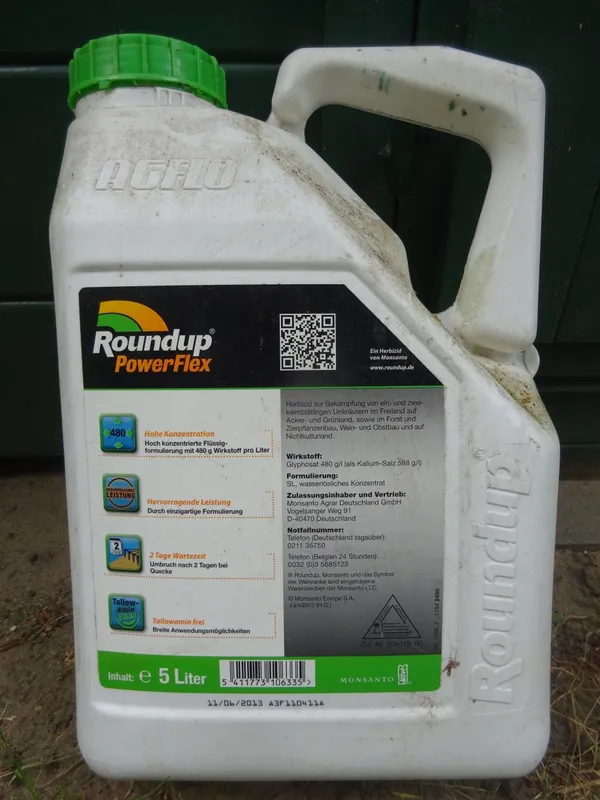
A nationwide class agreement targets current and future non-Hodgkin lymphoma claims
Bayer said its Monsanto unit has put forward a proposed nationwide class settlement valued at up to $7.25 billion to address U.S. lawsuits alleging Roundup exposure caused non-Hodgkin lymphoma. The proposal was filed for preliminary approval in the Circuit Court of the City of St. Louis, positioning the case in a venue that has played a central role in Roundup litigation for years and where Bayer’s North American crop science operations are based.
The proposed agreement is structured as a long-term claims program. Bayer said the funding would be provided through capped annual payments over as many as 21 years, contingent on court approval. Eligibility would include people alleging Roundup exposure before Feb. 17, 2026, who already have a diagnosis of non-Hodgkin lymphoma, as well as people who receive a diagnosis within a defined period after final approval. The settlement framework also provides class members the opportunity to opt out, and Bayer said the company would have the right to terminate the agreement if opt-outs exceed a specified threshold.
Financial implications include higher litigation provisions and revised reporting timetable
Bayer disclosed that it expects the proposed resolutions to increase its litigation provisions and liabilities materially from prior levels reported in 2025, with the company projecting significant litigation-related cash outflows in 2026. Bayer also said it secured an $8 billion bank loan facility to cover near-term financing needs tied to the resolutions and upcoming bond maturities, and that it intends to fund ultimate financing through bond issuance and instruments that may receive equity credit from rating agencies.
To incorporate the impact of the proposed settlement into its financial statements, Bayer said it would shift the timing of its year-end results and 2026 guidance to March 4.
Settlement proposal runs alongside a high-stakes federal preemption dispute
The class settlement effort is unfolding as the U.S. Supreme Court prepares to review a separate Roundup-related appeal in the Durnell case. The central legal question is whether federal pesticide labeling decisions preempt state-law failure-to-warn claims. Bayer has argued that because federal regulators have not required a cancer warning on glyphosate labels, state-law claims demanding different warnings should be barred.
Scientific and regulatory disagreement remains a backdrop to litigation
The Roundup litigation has long turned on conflicting assessments of glyphosate’s cancer risk. The International Agency for Research on Cancer classified glyphosate as “probably carcinogenic to humans” in 2015. In the United States, the Environmental Protection Agency has maintained that its underlying scientific finding is that glyphosate is “not likely to be carcinogenic to humans,” while continuing a broader registration review process.
- Proposed settlement size: up to $7.25 billion, subject to court approval
- Payment structure: capped annual payments over as many as 21 years
- Venue: Circuit Court of the City of St. Louis
- Parallel track: Supreme Court review of federal preemption issues in Durnell
Bayer has said the proposed settlement is intended to contain litigation risk and does not include an admission of wrongdoing.