Alton’s Hiram’s Bar faces survival test after late-night license loss reshapes downtown nightlife rules
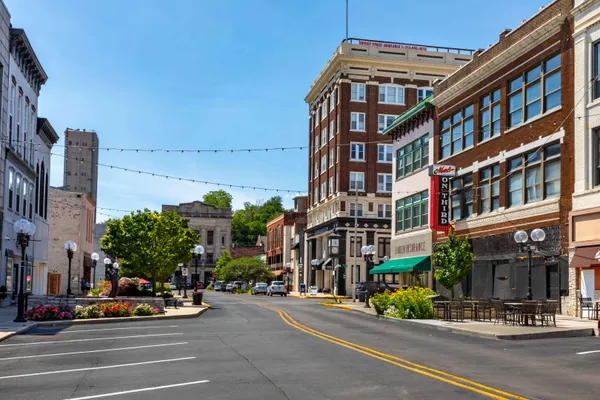
A late-night permit revocation with ripple effects across the Metro East
A long-running nightlife fixture in Alton’s downtown corridor is navigating an uncertain future after city leaders moved to curtail late-night alcohol service, a decision that has reshaped operating hours, revenue expectations and the broader policy debate over public safety and economic activity.
Hiram’s Bar, located at 219 W. 3rd St., lost its late-night liquor license effective July 21, 2025. The late-night designation had allowed alcohol service beyond 1 a.m. on weekends, a period many nightlife businesses treat as their most profitable window. The same action removed late-night privileges from Pour Decisions Bar at 204 State St., another downtown venue.
How the decision was made
The revocations followed a public hearing held July 14, 2025, where the city’s police leadership presented testimony about criminal activity linked to the late-night period. Under Alton’s governmental structure, the mayor serves as liquor commissioner with authority over local license actions, including revocations.
After the July decision affecting two bars, the policy discussion widened. City officials advanced a broader change: ending the late-night liquor license category across Alton and requiring all bars to stop alcohol service by 1 a.m. City Council approved that shift on Nov. 12, 2025, with implementation set for Jan. 1, 2026, effectively moving last call earlier citywide.
Competing narratives: safety concerns versus documented call volume
City leadership framed the changes as a public-safety measure aimed at reducing late-night disorder downtown. At the same time, records produced through public-information requests captured a limited number of police calls for service in the immediate area during a defined period in 2025. Those records detailed several incidents, including fights occurring near closing time or after downtown venues had already shut down.
The debate has centered on whether the late-night license category itself drives risk, or whether incidents are more sporadic and influenced by factors beyond a venue’s operations, such as crowd movement and street-level enforcement.
Business impacts extend beyond alcohol sales
The regulatory changes have affected more than bar owners. A night kitchen operating inside Hiram’s Bar reported losing its prime late-night customer base because the venue’s earlier shutdown forced the food operation to close earlier as well, despite the kitchen not being an alcohol business. The operator described shifting toward regional events to replace lost downtown late-night revenue and pursuing a food-trailer plan to stabilize operations.
Pour Decisions ultimately closed in September 2025, after reporting steep declines in weekend revenue following the loss of late-night hours. In the same location, an alcohol-free restaurant later opened, reflecting how some entrepreneurs are adapting business models to a regulatory environment with earlier closing times.
Key timeline
July 14, 2025: Public hearing held on late-night licenses for two downtown establishments.
July 21, 2025: Late-night liquor licenses revoked for Hiram’s Bar and Pour Decisions Bar.
September 2025: Pour Decisions closes permanently.
Nov. 12, 2025: City Council votes to end late-night licenses citywide.
Jan. 1, 2026: Citywide 1 a.m. closing time takes effect for bars.
The licensing dispute has evolved into a citywide policy reset, forcing downtown businesses to reassess whether Alton’s late-night economy can remain viable under earlier hours.
For Hiram’s Bar and other operators, the next chapter will be shaped by enforcement practices, customer behavior and whether city officials revisit the policy after measuring its effects on safety, nuisance complaints and downtown commerce.