After a Vehicle Slams Into a South St. Louis County Home, Neighbors Demand Speeding Enforcement
A crash that reached the living room
A vehicle striking a house is an uncommon but high-consequence type of crash, and residents in south St. Louis County say it has become a recurring fear rather than a remote possibility. In the most recent incident, a driver left the roadway and crashed into a home, causing major damage and prompting renewed calls from neighbors for stronger measures to slow traffic on nearby streets.
Residents described the area as vulnerable to drivers entering curves too fast and losing control, with vehicles sliding or fishtailing before leaving the road. Neighbors also said the latest crash is not an isolated event, pointing to multiple instances in recent years in which vehicles have struck homes on the same block or nearby.
Why residents say the risk persists
Traffic-safety specialists generally treat repeated run-off-road incidents in the same location as a sign of systemic risk rather than simple driver error. When neighbors report similar crash patterns—speeding on approaches, loss of control in a curve, and vehicles leaving the roadway—the consistent elements often become the focus for prevention: street geometry, sight lines, lane width, and the presence or absence of physical barriers between traffic and homes.
Residents said concerns grow after dark, when speeding is perceived to increase and when reaction time and visibility can worsen the consequences of a mistake. While driver behavior is central to many crashes, residents argue that relying on voluntary compliance has not been enough to prevent vehicles from reaching front yards and walls.
What can be changed: enforcement, engineering, and data
Local governments typically have two main paths to reduce the likelihood of similar incidents: targeted enforcement and roadway changes. Enforcement can include speed-focused patrols or use of speed-feedback equipment, often deployed in response to complaints. Engineering changes can include traffic-calming measures designed to reduce speeds regardless of driver intent.
Traffic calming: options often discussed by residents include speed humps, raised crosswalks, curb extensions, and lane narrowing.
Protective infrastructure: in locations where homes sit close to the roadway, barriers, guardrails, or strategically placed street furniture may reduce the chance a vehicle reaches a structure.
Speed studies and crash mapping: documenting speeds and pinpointing where run-off-road crashes begin can guide which interventions are most likely to work.
Residents want action tied to measurable outcomes
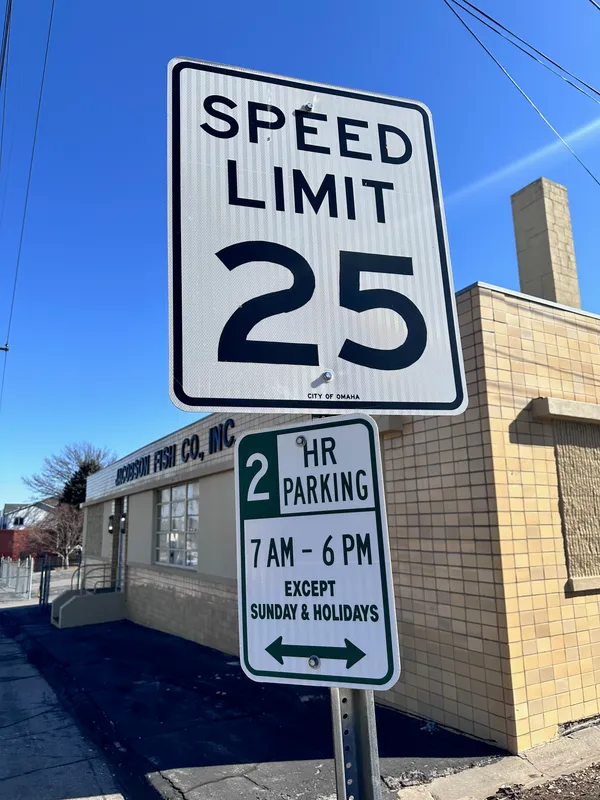
Neighbors are asking for a response that goes beyond additional signage, emphasizing that posted limits alone do not physically prevent a vehicle from leaving the roadway. Several residents described a basic expectation: fewer high-speed pass-through drivers, fewer loss-of-control events on curves, and fewer crashes that end at a home’s front wall.
Neighbors say the street “is not safe,” arguing that repeated crashes show the need for speed reduction that can be observed and verified.
Whether the next steps come as enforcement, redesign, or both, residents say the goal is straightforward: prevent the next crash from reaching someone’s living room.